

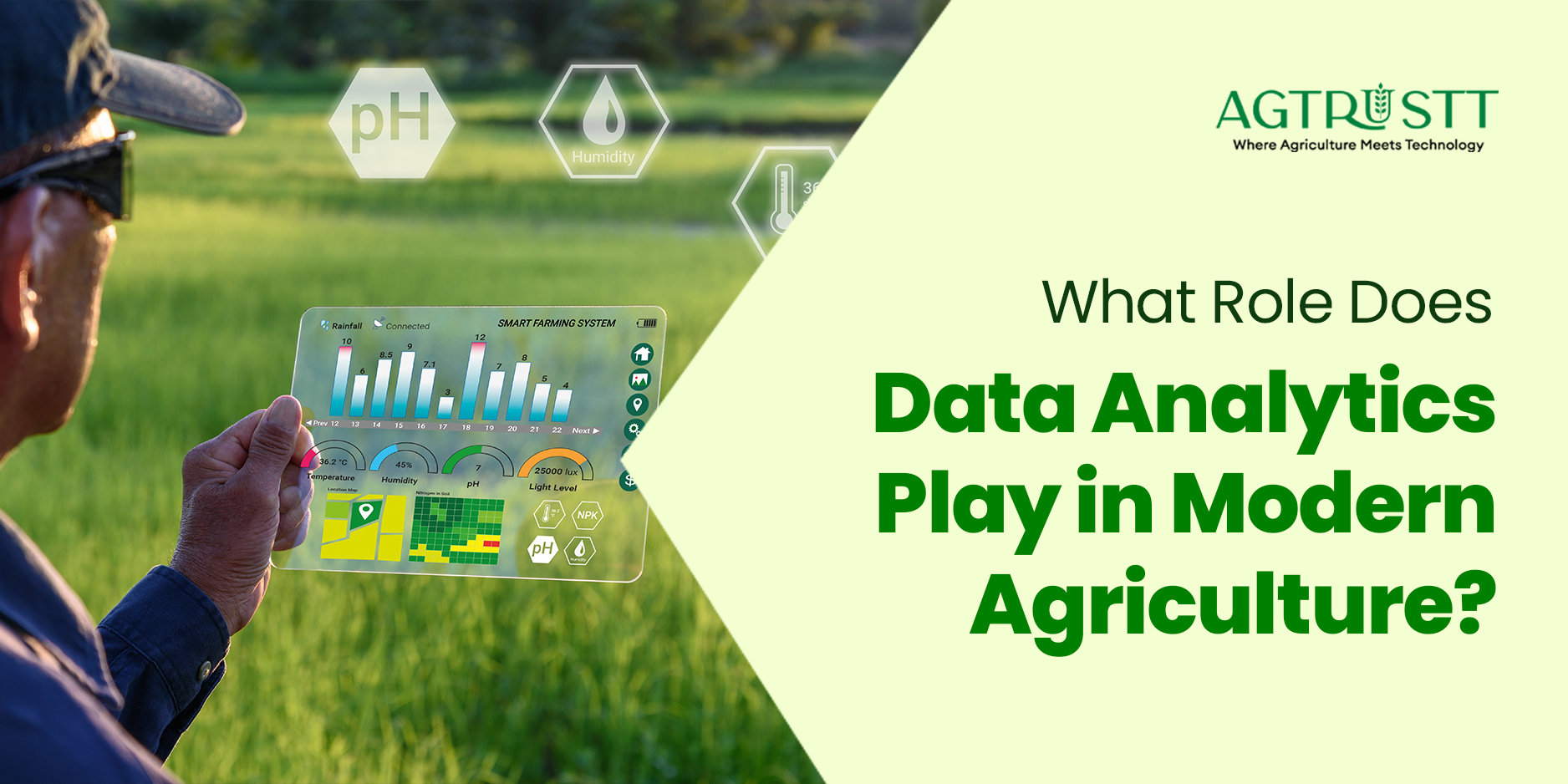
Technology is becoming a big determinant in modern agriculture, and data analytics is playing a significant role in this revolution, especially through the growing use of data analytic in agriculture. The farmers, processors, and traders have been able to make improved decisions, enhance productivity, and decrease risks along the agricultural value chain using the data. Through information analysis with regard to production in the crop sector, trends in supply, and information on market trends, stakeholders can plan their operations better.
How will Data Analytics Improve Agricultural Decision-Making?
Data analytics can assist farmers and agricultural firms in making superior and prompt choices. With the help of patterns and trends, the stakeholders will be better able to organize their activities and react to the change in conditions with more confidence.
- Crop performance tracking
- Weather pattern analysis
- Soil data insights
- Yield prediction tools
- Smart farm planning
- Resource optimization
Information-Based Systems to Empower Agribusiness
Complex analytics systems gather data from various sources and convert it into valuable, actionable information that helps improve coordination between farmers, traders, and processors. Some of the platforms, like AgTrustt, employ technology to fill the gaps in trust and offer trustworthy information all over the agricultural ecosystem, strengthening the agriculture supply chain.
- The data platforms facilitate agricultural transactions between farmers, traders, and processors over transparent platforms.
- Intelligence systems give information on purchase trends that enhance supply chain planning and coordination.
- Digital systems monitor the sourcing and check on the quality of crops and manufacturing processes with high traceability.
- Real-time inventory data assists processors in keeping track of the stock and minimizing wastage in warehouses.
What Is the Support of Real-Time Data to Agricultural Markets?
The use of real-time analytics is changing the agricultural marketplace to become more transparent and efficient when it comes to trading. With buyers and sellers having the right market information, they can make superior choices concerning pricing and supply.
- Live price tracking
- Demand forecasting information
- Regional market trends
- Direct farmer trading
- Supply-demand visibility
- Faster trade decisions
Intelligent Warehouse Management Using Data Intelligence
In the current agricultural warehouse systems, data analytics also plays an important role. Digital warehousing facilities such as AgTrustt can be used to improve product movement management, intelligent stacking, and real-time tracking of products. With technologies like barcode tracking, it will be possible to keep a record of all product batches and track them through their lifecycle, from intake to dispatch, which reflects the use of digital agriculture solutions.
Conclusion
With the industry still embracing the new innovative technologies, data analytics will still be the source of innovation and expansion in the agricultural industry, especially through the wider use of data analytic in agriculture. One example of such solutions is AgTrustt, which shows the influence of data-driven solutions in enhancing trust, optimizing performance, and making the agricultural ecosystem more transparent to all actors of the value chain.