

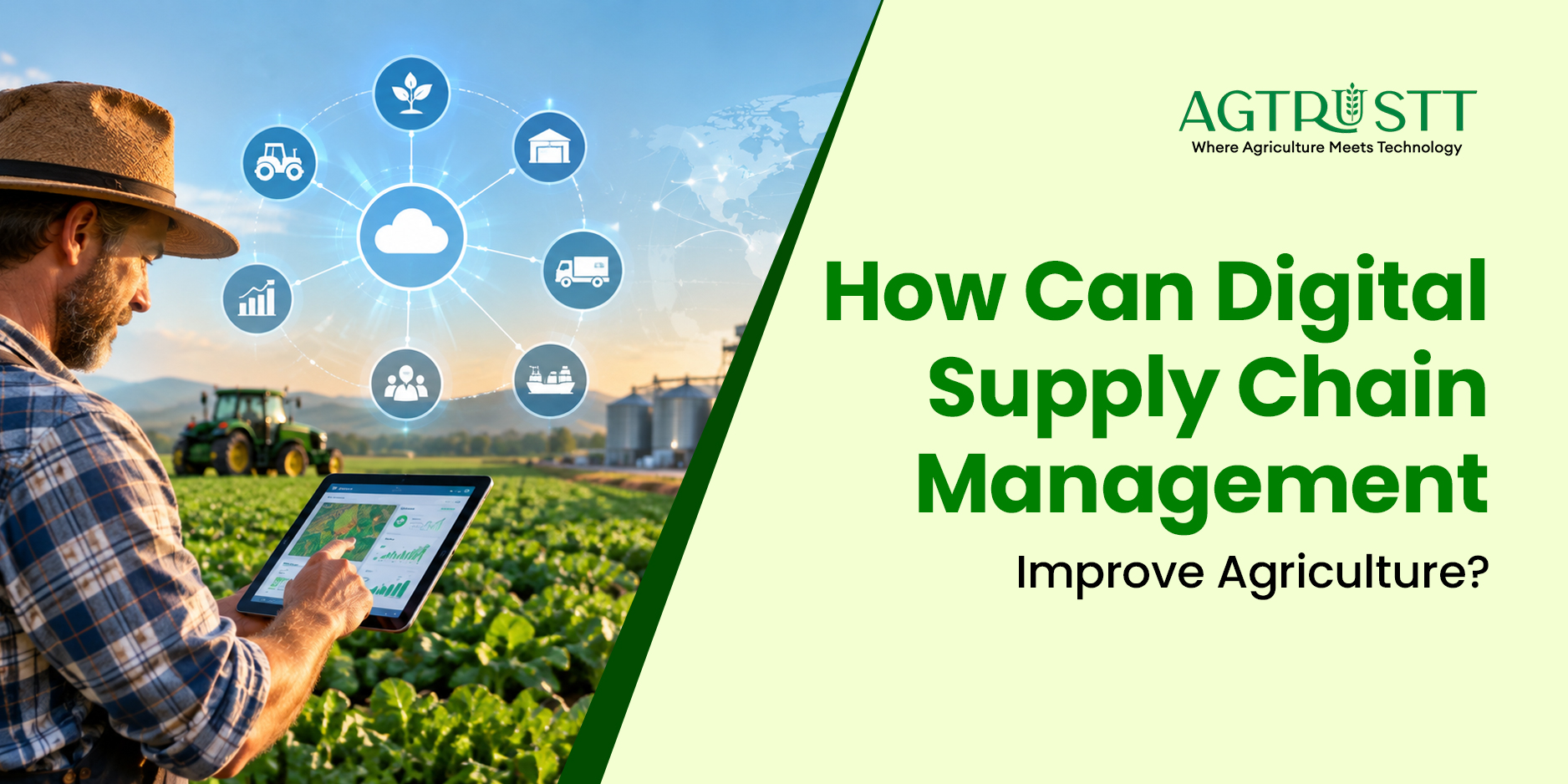
The agriculture industry is reliant on various tasks linked to the acquisition of seeds, fertilizers, growing and harvesting, storing and transporting the crops. Manual management of these activities can impact farmers and buyers with delays, waste, and lack of communication. Digital agricultural supply chain management is technology and real-time data that links these stages. It assists agricultural enterprises in managing resources, like monitoring movement, comprehending demand, and making faster decisions. Digital systems can enhance visibility through the supply chain and facilitate more organized, efficient, and responsive agriculture operations in response to market fluctuations.
What are the benefits of digital technology to agricultural supply chain visibility?
Digital tools give more visibility of products and resources as they progress through various stages. More up-to-date information and coordination of actions can be achieved for farmers, suppliers, distributors, and buyers.
- Real-time tracking
- Inventory monitoring
- Order visibility
- Supplier coordination
- Demand forecasting
- Delivery updates
How does a Digital Supply Chain Management help in minimising agricultural wastes?
Food can be lost due to inadequate storage, lack of time for food to be transported, food production surpluses, or poor planning of food requirements. Using digital supply chain management, businesses can address these challenges earlier and more effectively manage resources.
- Digital monitoring can help detect storage issues in advance of actual quality decline in crops.
- Demand forecasting assists farmers and suppliers to make plans to supply products based on anticipation of market needs.
- With transportation tracking, teams can find out if products are delayed in transit and make changes in the logistics.
- When preventing excess inventory of perishable agricultural products, inventory data is useful.
How can Data help improve agricultural decisions?
Information is crucial in the enhancement of the agricultural supply chain processes. Digital platforms can gather all data related to inventories, crop movements, customer demand, transportation, and supplier performance. Knowing all this in one place will give agricultural businesses the ability to see trends and respond to changes faster. Demand data can be used to plan the amount of produce to prepare for a specific market, for instance, and transportation data to facilitate delivery planning, among other things. This forms a more integrated chain, which means that it is no longer based on ‘assumptions’ but on what is currently known.
What happens when Agriculture gets Digital?
Digital supply chain management is more than just a product tracking system. It alters the way that agricultural businesses plan, coordinate, and react throughout the digital agriculture supply chain.
- Smarter procurement
- Connected operations
- Faster distribution
- Demand-led planning
- Better storage control
- Transparent transactions
Conclusion
The agriculture sector has a very complex value chain of farmers, suppliers, warehouses, transporters, distributors, and buyers. The digital supply chain management is a tool that links them and enables businesses to:
- Track agricultural products
- Manage resources efficiently
- Reduce avoidable waste
- Improve demand planning
- Coordinate deliveries
- Make data-based decisions
Agtrustt can help revolutionize modern farming by integrating ag operations with current supply chain knowledge, in a more organized, transparent, and efficient way through ERP for agriculture.